Create with PrimeArt
Preview a bob haircut on your photo
Compare clean Scandi, precise Japanese and soft French-inspired bob silhouettes while keeping your face, hairline and natural texture recognizable.
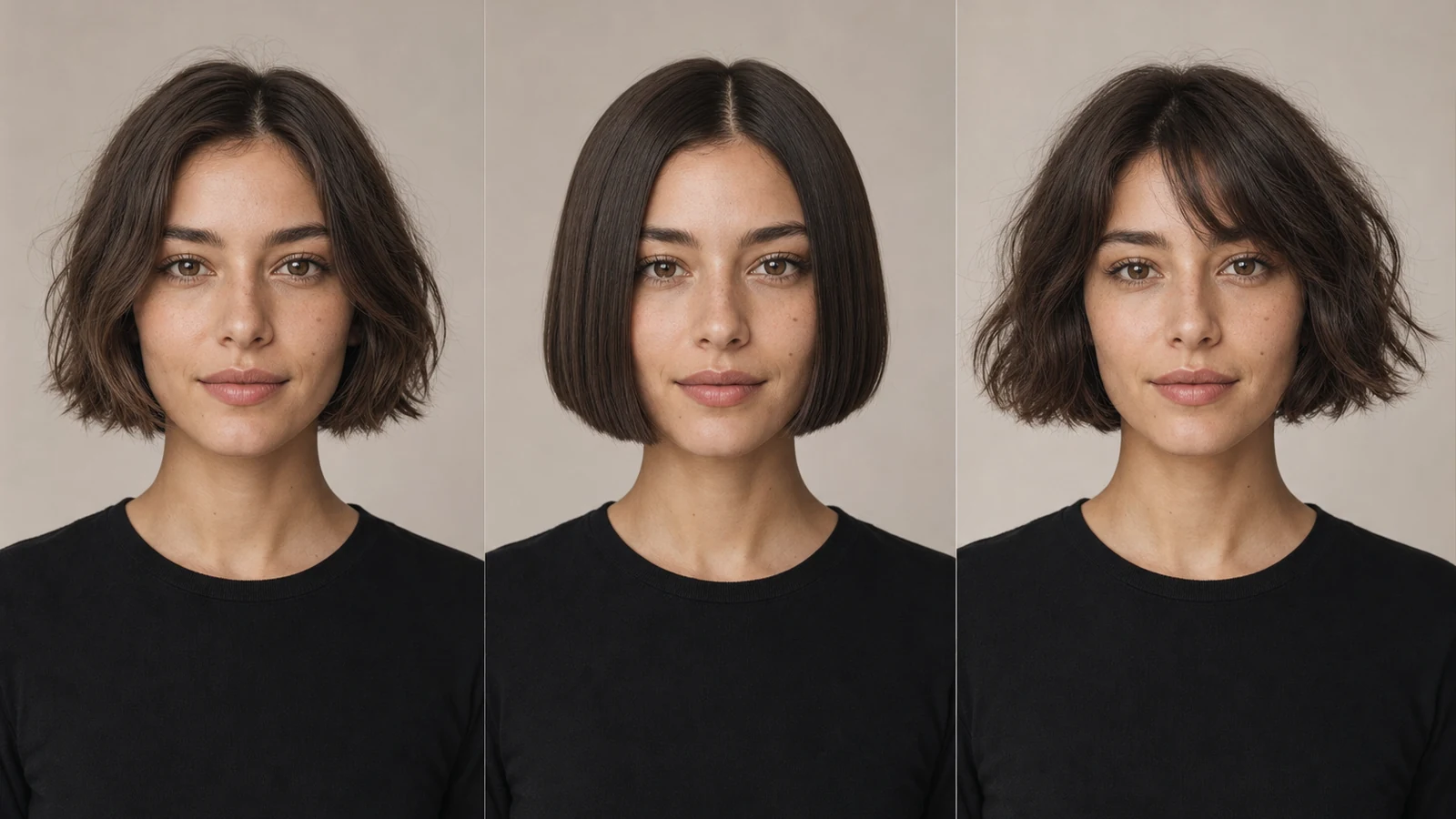
Example directions you can create
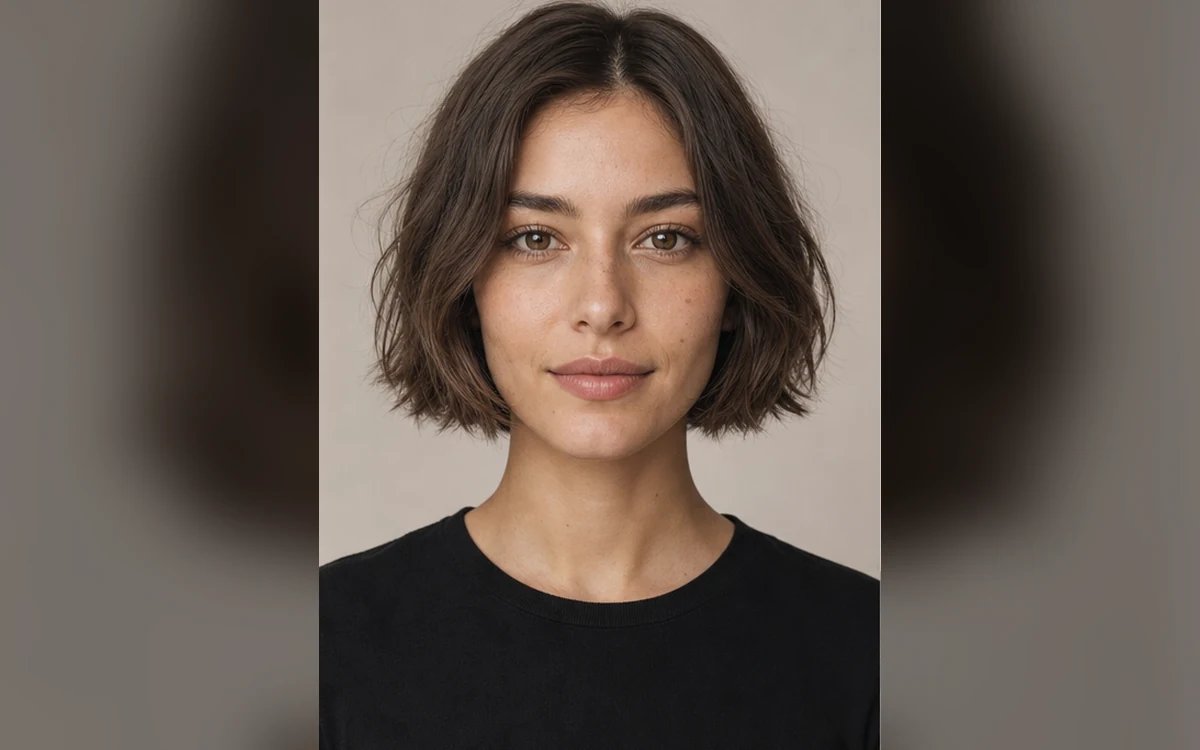
Scandi bob — Airy jaw-length shape with softly turned ends. 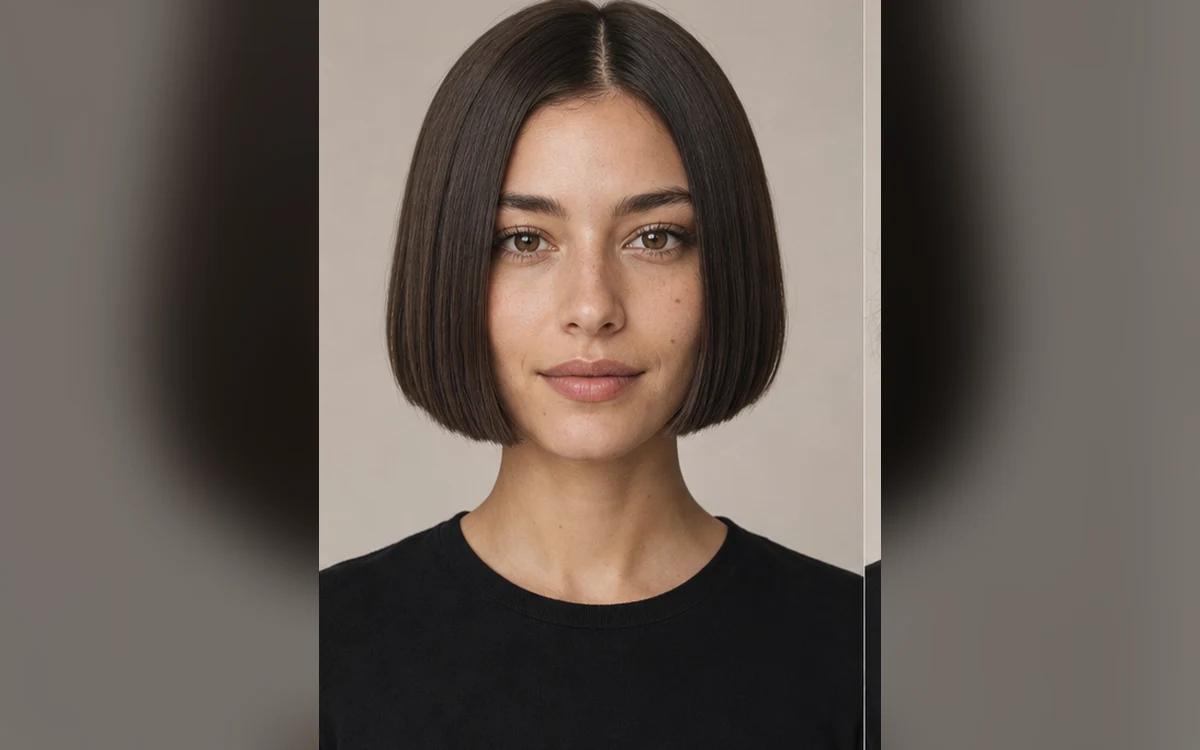
Japanese bob — Precise compact silhouette with polished natural texture. 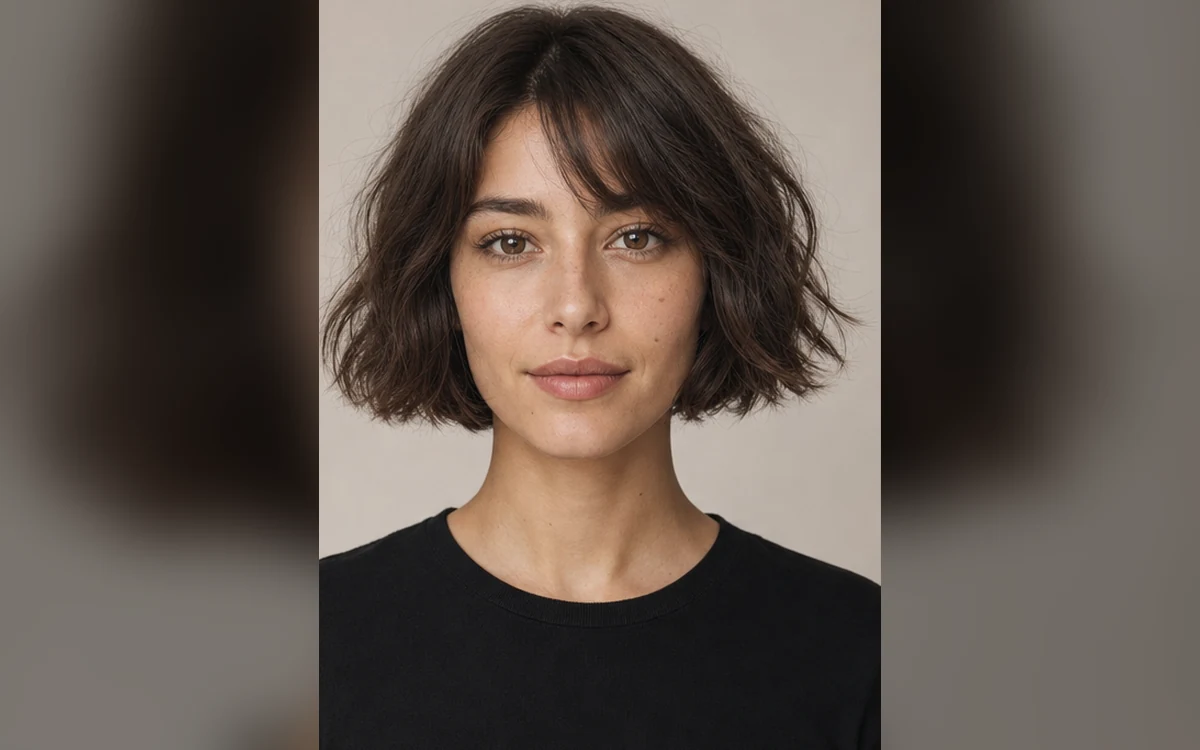
Soft French bob — Chin-length texture with an understated light fringe.
How Preview a bob haircut on your photo works
Use a front or three-quarter portrait with the hairline, jaw and current length visible. A neutral background and even light make the new silhouette easier to evaluate.
Choose one bob family at a time. PrimeArt edits only the hair direction and preserves the face, expression, body, clothing and scene.
What you can create
- Clear silhouette comparison — See how jaw-length, chin-length and collarbone-adjacent shapes frame the face.
- Natural strand behavior — Keep believable density, parting, ends and movement instead of helmet-like hair.
- Face and hairline preserved — Limit changes to the haircut while retaining recognizable facial detail.
Popular use cases
- Scandi bob — Preview a clean, airy cut with softly turned ends.
- Japanese bob — Try a precise compact shape with polished natural texture.
- French-inspired bob — Explore a softer chin-length shape with light fringe.
- Salon conversation — Create a visual reference to discuss, not a technical cutting guide.
Describe bob length and shape precisely
“Bob” covers many silhouettes. State the relationship to the jaw or chin, whether the weight line is blunt or soft, the parting, fringe and how the ends should move. Keep color fixed when the goal is comparing cut alone.
- Length relative to jaw or chin
- Blunt or softened weight line
- Parting and fringe
- Natural texture and end movement
Why a virtual haircut can drift
Hair generation may change face width, ears, neck or forehead while rebuilding the silhouette. Texture can also become too dense or too smooth for the source hair.
How to judge a bob preview
Compare the face and hairline first, then inspect the outline around cheeks, jaw, ears and neck. Consider whether the shown density and texture are realistic for your own hair.
- Face shape is unchanged
- Hairline stays natural
- Both sides have coherent length
- Density matches the source
How to get started
- Use a portrait that shows the current hairline and jaw — A front or three-quarter view with even light makes length, parting and face framing easier to compare.
- Choose one bob silhouette at a time — Specify jaw or chin length, weight line, fringe, parting and end movement. Keep hair color unchanged while comparing cuts.
- Compare the preview with real hair behavior — Check the hairline, ear area, neck, strand direction and density. Use the image as a conversation aid rather than a technical salon plan.
Frequently asked questions
- Can I try a bob haircut on my own photo?
- Yes. A sharp portrait with the hairline and jaw visible gives the clearest visual comparison.
- What is the difference between the bob presets?
- The Scandi direction is airy with soft ends, the Japanese direction uses a compact precise line, and the French-inspired direction adds lived-in texture and light fringe.
- Will the preview predict the exact salon result?
- No. Real results depend on density, growth pattern, texture, condition and cutting technique. Use the image as inspiration for a stylist consultation.
- How does the prepared Preview a bob haircut on your photo workflow continue in Studio?
- A front or three-quarter view with even light makes length, parting and face framing easier to compare. PrimeArt carries this page's selected direction and format into Studio so you can begin with that specific setup instead of an empty prompt.
Open the prepared Preview a bob haircut on your photo setup
A front or three-quarter view with even light makes length, parting and face framing easier to compare. Continue to Studio with this page's specific direction and format already selected.